Food Delivery Accident Lawyer in Central Florida
If you were injured in a crash involving a food delivery driver, whether for DoorDash, Uber Eats, Grubhub, Instacart, or a similar app, figuring out which insurance applies can be confusing, and the delivery companies often argue they are not responsible at all. These drivers are typically treated as independent contractors using their own personal vehicles, which creates a tangle of questions about whose insurance covers your injuries: the driver’s personal policy, a commercial policy provided by the app, or both. The Main Law Firm represents people injured in food delivery driver accidents throughout Central Florida. Founder Jed Main is a Florida Bar Board Certified Civil Trial Lawyer who handles these complex coverage and liability cases. Call for a free consultation; there is no fee unless we recover compensation for you.
Why Food Delivery Accidents Are Complicated
The explosive growth of app-based food and grocery delivery has put thousands of delivery drivers on Central Florida roads, often under time pressure to complete as many deliveries as possible. When one of these drivers causes a crash, several things make the case more complicated than an ordinary collision:
Who Can Be Held Responsible
Depending on the facts, responsible parties may include:
Because the delivery companies work to distance themselves from liability, identifying every applicable insurance policy is one of the most important parts of these cases. An experienced attorney can determine the driver’s status at the time of the crash and pursue the full coverage available.
What to Do After a Food Delivery Accident
How The Main Law Firm Helps
Jed Main is a Florida Bar Board Certified Civil Trial Lawyer and a member of the American Board of Trial Advocates (ABOTA). He handles the layered insurance and liability issues that gig-economy delivery cases present, including determining which policies apply when a driver is working through an app. As a former prosecutor and insurance-defense attorney, he understands how insurers evaluate and defend these claims and uses that experience for injured people.
Jed personally oversees every case and gives every client his cell phone number and direct access to him.
Past results do not guarantee similar outcomes. Each case must be evaluated on its own facts.
Frequently Asked Questions
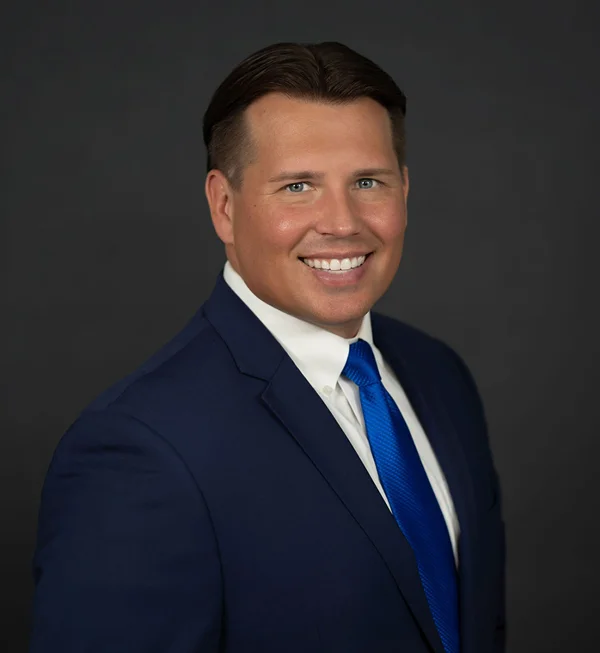
Written and reviewed by Jedediah “Jed” A. Main
Board Certified Civil Trial Lawyer
Jedediah “Jed” Main is a Florida Bar Board Certified Civil Trial Lawyer and founder of The Main Law Firm, P.L. A trial lawyer for more than two decades, Jed began his career as a prosecutor before spending years defending insurance companies. He has represented injured clients throughout Orlando and Central Florida since founding the firm in 2010.

How Fault (Negligence) Is Determined After a Car Accident in Florida — What Victims Should Know
The damage on your car is already telling the fault story. Do you know how to read it and use it to your advantage?

Common Types of Truck Accidents in Florida (Rear-End, Jackknife, Underride, Rollover, Blind Spot) & Their Causes
Trucking companies know which evidence vanishes first. Learn the 6 crash types and what to photograph before cleanup crews arrive.

Why Common Truck Accident Injuries Are So Severe – Understanding the Risks & Legal Complexity in Florida
Commercial truck accident injuries are in a different category than car crashes. Here is why and what Florida's liability laws mean for your case.

Injured in a Food Delivery Driver Accident in Central Florida?
If you or a loved one was injured by a food delivery driver in Central Florida, the Main Law Firm can help you pursue the compensation you deserve.
Call 407-442-3030 or use our contact form to get started with a free consultation.
